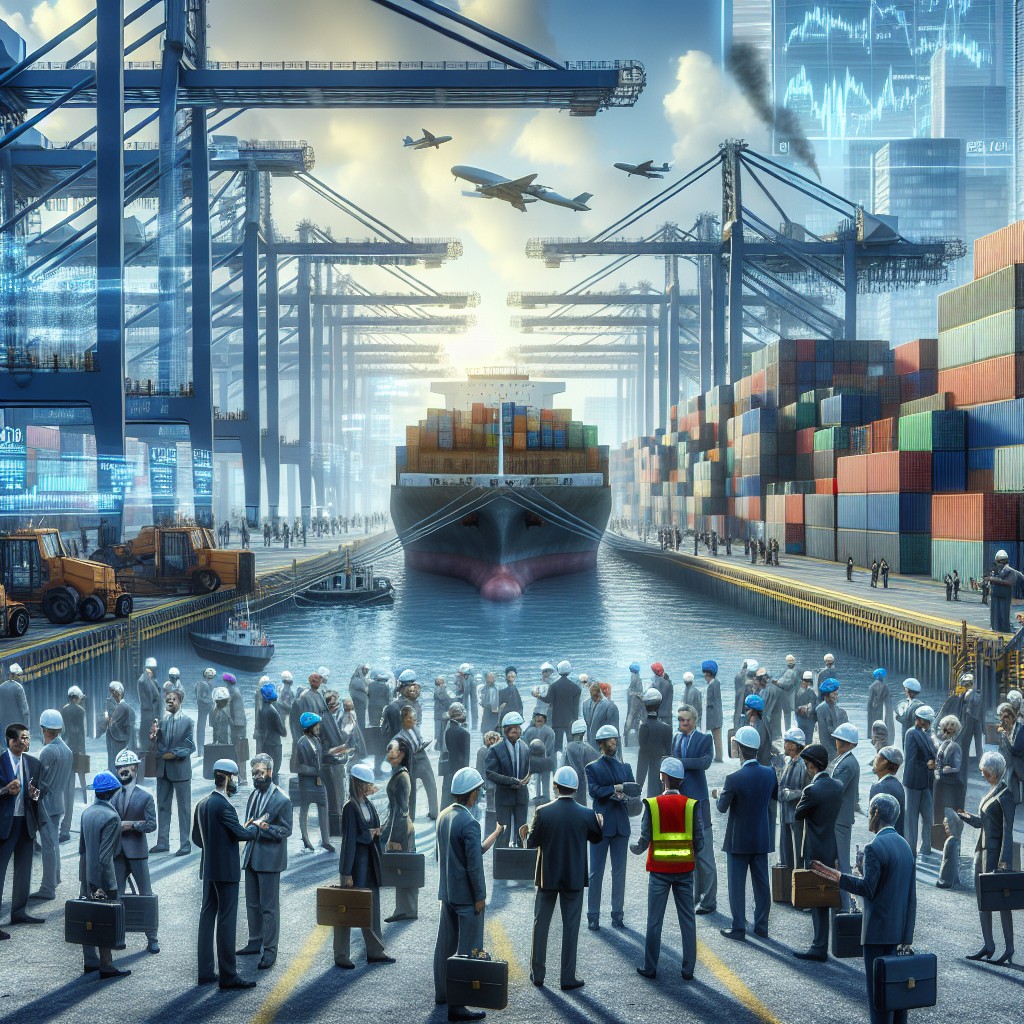
As 2026 unfolds, companies around the world are adjusting their strategies in response to ongoing trade disputes and shifting tariff landscapes. The commercial environment is marked by increased protectionism and regulatory changes influencing how businesses source, price, and distribute products internationally. Understanding the early adaptations firms are making offers insight into the evolving global trade dynamics.
Heightened Impact of Trade Disputes on Supply Chains
The escalating trade disputes between major economic powers continue to disrupt supply chains, compelling companies to reassess procurement strategies. In 2026, firms have prioritized diversification of suppliers to mitigate risks associated with tariffs and export restrictions. This shift often involves moving parts of supply chains to countries with more favorable tariff agreements or stable trade relationships, aiming to reduce exposure to sudden cost increases linked to political tensions.
Cost Management and Pricing Strategies Adaptation
With fluctuating tariffs stemming from unresolved trade disputes, companies have begun implementing more dynamic pricing strategies. Businesses incorporate potential tariff changes into cost forecasts and pricing models, allowing them to respond quickly to changes in customs duties. Additionally, companies are increasingly absorbing some tariff costs temporarily to maintain market share, a tactic observed in sectors heavily dependent on global supply, such as electronics and automotive manufacturing.
Increased Investment in Trade Compliance and Legal Expertise
The complexity and frequency of trade disputes have prompted companies to invest more resources in legal and compliance functions. Organizations are enhancing their ability to navigate trade regulations, customs procedures, and dispute resolution processes. This development includes hiring specialists in international trade law and compliance technology, reflecting the necessity for meticulous monitoring of tariff policies and bilateral trade agreements impacting operations in 2026.
Strategic Alliances and Regionalization Efforts
Amid persistent trade tensions, companies are pursuing strategic alliances to leverage regional trade agreements. Regionalization of operations has become a prominent trend, with firms establishing or expanding manufacturing and distribution hubs within trade blocs that offer tariff advantages. This approach reduces reliance on long international supply chains vulnerable to disruptions caused by trade disputes and supports compliance with local content rules that often accompany tariff reductions.
Technological Innovation to Offset Tariff-Related Costs
Technology adoption is playing a critical role in enabling companies to offset the financial burden imposed by tariffs resulting from trade disputes. Automation, advanced analytics, and supply chain management software are helping firms optimize processes, reduce waste, and improve inventory management. These technological investments contribute to enhancing operational efficiency, allowing companies to maintain competitiveness despite increased costs from tariffs in 2026.
In conclusion, as trade disputes continue to influence the global economic landscape, companies have begun to implement multifaceted adjustments early in 2026. By diversifying supply chains, adapting pricing strategies, boosting compliance capabilities, regionalizing operations, and embracing technology, businesses aim to navigate tariff challenges effectively. These measures indicate a trend toward increased resilience and flexibility in global trade management going forward.
Frequently Asked Questions about trade disputes
How do trade disputes influence company supply chain decisions?
Trade disputes frequently lead to increased tariffs and trade barriers, prompting companies to diversify or relocate their supply chains to countries with more favorable trade conditions to minimize costs and risks.
What role do tariffs play in shaping company pricing in the context of trade disputes?
Tariffs resulting from trade disputes force companies to adjust pricing strategies, often incorporating tariff costs into product prices or temporarily absorbing them to remain competitive in affected markets.
Why are companies investing more in trade compliance amid ongoing trade disputes?
In response to complex and changing regulations caused by trade disputes, companies invest in trade compliance to ensure they adhere to international laws, avoid penalties, and effectively manage risks.
How are strategic alliances connected to managing challenges from trade disputes?
Strategic alliances enable companies to benefit from regional trade agreements and reduce exposure to tariffs by localizing production and distribution within countries or regions with favorable trade terms.
In what ways does technology help companies respond to the impacts of trade disputes?
Technology supports companies by optimizing supply chains, enhancing efficiency, and reducing costs, which is essential for countering the negative financial impacts triggered by trade disputes and associated tariffs.