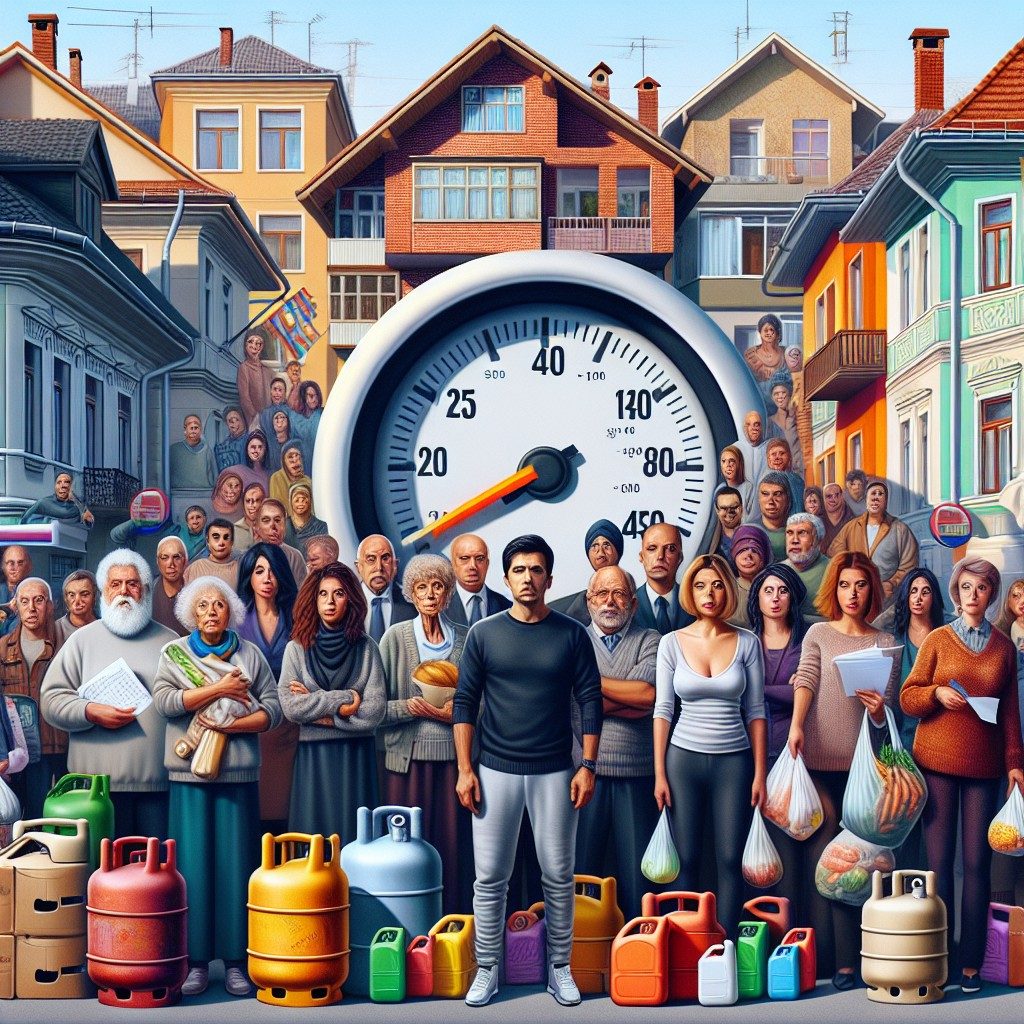
Recent economic data suggest that inflation pressures in many advanced economies are beginning to ease. However, despite these signals from broad price indices, consumers continue to experience a high cost of living in their daily expenses. This article explores the reasons behind this apparent contradiction and what it means for the economy going forward.
Early signs of easing inflation pressures
Several indicators have pointed to a slowdown in inflation pressures across major economies. For instance, producer price indices and commodity prices have shown declines in recent months, reflecting reduced cost burdens for manufacturers. Central banks’ tightened monetary policies, including increased interest rates, have started to moderate demand and temper price increases. According to data released by official statistical agencies, headline inflation rates have begun to stabilize or decline in numerous countries, hinting at a potential cooling phase in the inflation cycle.
Why everyday costs remain elevated despite cooling inflation
Despite these encouraging macro-level trends, many households report that day-to-day expenses remain burdensome. This discrepancy largely stems from the fact that headline inflation numbers aggregate broad categories that may mask persistent price rises in essential goods and services. Categories such as food, housing, and energy often experience more volatile and prolonged price pressures. Additionally, supply chain constraints and labor shortages continue to affect the cost structure of everyday products, keeping prices high even as overall inflation pressures recede.
The role of core inflation pressures
Core inflation, which excludes volatile items like food and energy, provides insight into the underlying trend of inflation pressures. Although headline figures show signs of easing, core inflation in several countries remains sticky, signaling that inflation expectations and wage growth continue to exert upward pressure on prices. This persistence often translates into sustained higher costs for services and rent, major contributors to household budgets. Monitoring core inflation remains crucial to understanding the true trajectory of inflationary dynamics.
Impact of monetary policy and fiscal measures
Central banks have played a key role in addressing inflation pressures through a series of interest rate hikes aimed at cooling economic activity. While these measures are gradually influencing inflation trends, the lag effect means relief may not be immediate for consumers facing current high expenses. Moreover, fiscal policies implemented during the pandemic period and afterward have influenced disposable incomes and spending patterns, sometimes sustaining demand in areas where supply is constrained. This complex interplay affects how quickly inflationary pressures translate into tangible cost relief for households.
Looking ahead: what consumers can expect
Economic forecasts from international organizations suggest that inflation pressures will continue to moderate but that a return to pre-pandemic price levels may take time. Structural factors such as changes in global supply chains, labor market dynamics, and energy prices will influence the inflation landscape. Consumers might see a gradual easing in the rate at which prices rise, but certain everyday costs could remain elevated in the medium term. Policymakers remain vigilant, balancing the goal of curbing inflation pressures without triggering recessionary risks.
Frequently Asked Questions about inflation pressures
What are inflation pressures, and why do they matter?
Inflation pressures refer to factors causing the general rise in prices across an economy. They matter because they affect purchasing power, cost of living, and economic stability.
Why do inflation pressures appear to be easing while daily costs remain high?
Inflation pressures may ease on a broad scale, but specific essential goods and services can still experience high prices due to supply constraints and ongoing demand, impacting daily costs.
How do central banks respond to inflation pressures?
Central banks often increase interest rates to reduce demand and cool inflation pressures, aiming to stabilize prices over time.
What is the difference between headline inflation and core inflation pressures?
Headline inflation includes all items, while core inflation excludes volatile sectors like food and energy, offering insight into lasting inflation pressures.
Where can I find reliable information about current inflation pressures?
Trusted sources include official statistical agencies, central bank websites, and international organizations like the International Monetary Fund or Bank for International Settlements, which provide updated data on inflation pressures.
For more on the current state of inflation pressures and economic policies worldwide, consult reputable financial news outlets and institutional reports.